
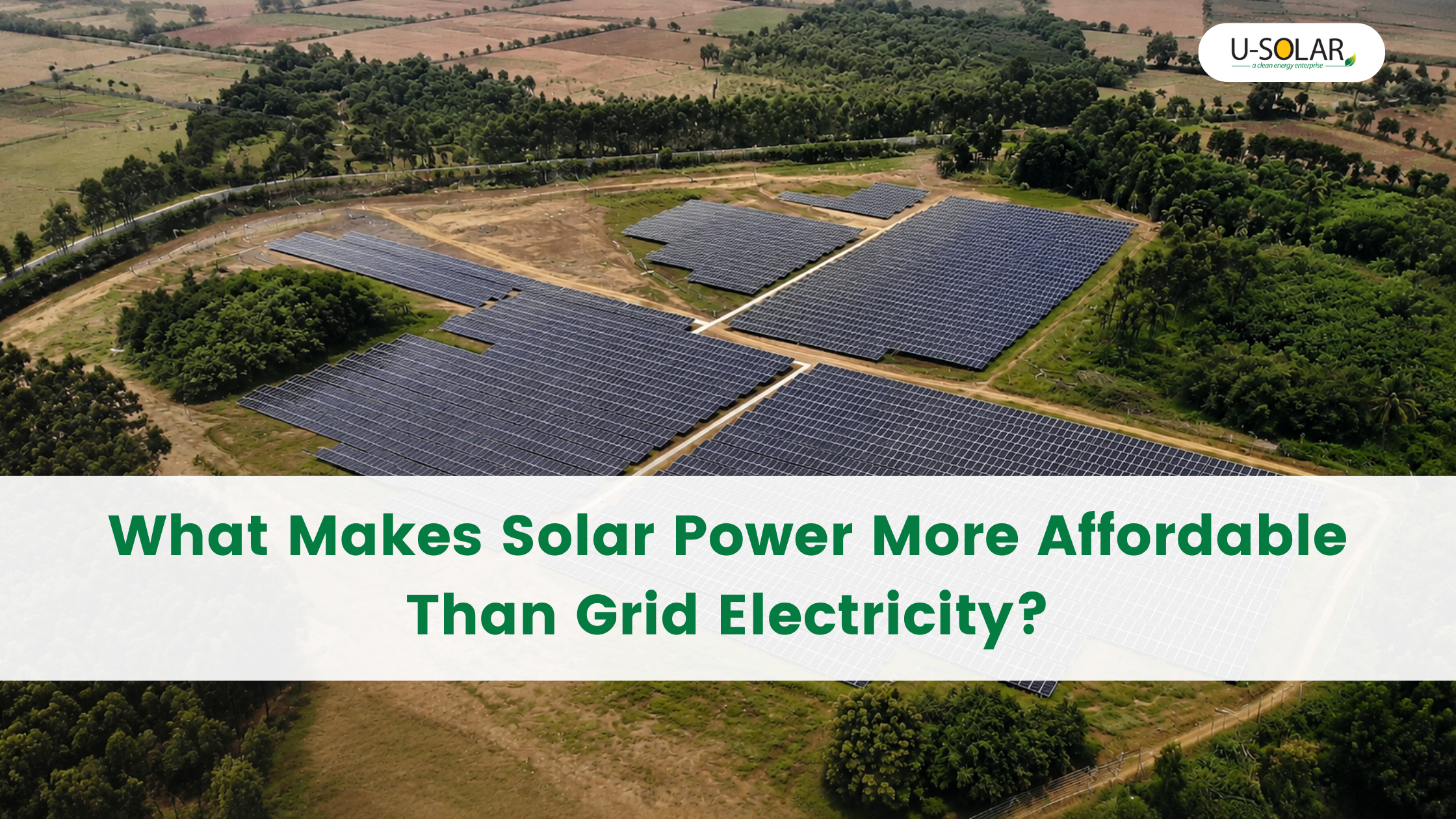
Electricity is one of the largest recurring expenses for homes and businesses. With rising power tariffs and growing awareness of renewable energy, many people are asking whether solar power is truly more affordable than traditional grid electricity. The answer is increasingly yes. Thanks to significant advancements in solar technology, reduced installation costs, and government incentives, solar energy has become one of the most cost-effective sources of electricity. While grid electricity requires continuous spending on fuel, infrastructure, and maintenance, solar systems generate power directly from sunlight, making them far more economical over their lifetime.
Understanding the Cost Difference
Grid electricity is produced at centralized power plants using sources such as coal, natural gas, hydroelectric power, or nuclear energy. Once generated, the electricity travels through transmission lines, substations, and distribution networks before reaching consumers. Every stage of this process involves operational costs, including fuel, maintenance, labor, infrastructure upgrades, and taxes. These expenses are reflected in monthly electricity bills and often increase over time due to inflation and rising fuel prices.
Solar power works differently. Solar photovoltaic (PV) panels convert sunlight directly into electricity at the location where it is needed, such as a rooftop or commercial facility. Since sunlight is free, the primary investment is the initial installation of the system. After installation, operating costs are minimal, making solar an attractive long-term solution for reducing electricity expenses.
Why Solar Power Has Become More Affordable
One of the biggest reasons solar energy has become affordable is the dramatic decline in the cost of solar panels and associated equipment. Advances in manufacturing, automation, and global production have significantly reduced the price of photovoltaic modules over the past decade. At the same time, improvements in panel efficiency mean that modern systems generate more electricity from the same amount of sunlight.
The growing demand for renewable energy has created economies of scale. Larger manufacturing facilities and increased competition among suppliers have further lowered equipment prices, making solar energy more accessible than ever before.
Why Grid Electricity Is More Expensive
Several factors contribute to the higher cost of grid electricity:
- Fuel Costs: Coal, natural gas, and other fossil fuels must be continuously purchased, transported, and processed.
- Transmission and Distribution: Electricity must travel through extensive power networks, resulting in infrastructure and maintenance costs.
- Operational Expenses: Utilities must maintain power plants, employ skilled workers, and invest in modernizing the electrical grid.
- Taxes and Regulatory Charges: Consumers also pay government taxes, service charges, and regulatory fees that increase electricity bills.
Since these costs are ongoing, electricity tariffs generally rise over time, making long-term dependence on grid power increasingly expensive.
Advantages of Solar Power
Solar energy offers several financial benefits that make it a cost-effective investment:
- No Fuel Costs: Sunlight is free, eliminating the need for expensive fuel purchases.
- Lower Maintenance: Solar systems have few moving parts and require only occasional cleaning and inspections.
- Long Lifespan: Most solar panels are designed to last 25–30 years, providing decades of electricity generation.
- Reduced Electricity Bills: Generating your own power can significantly lower your monthly utility expenses.
- Energy Independence: Solar reduces dependence on fluctuating electricity prices and fuel markets.
These advantages allow homeowners and businesses to recover their initial investment through long-term savings.
Financial Benefits for Businesses
For commercial and industrial facilities, electricity represents a significant operational expense. Installing a solar power system helps businesses reduce energy costs, improve cash flow, and increase profitability. Many organizations also benefit from accelerated depreciation and renewable energy incentives, making the return on investment even more attractive.
Solar installations enhance a company’s sustainability profile by reducing carbon emissions and demonstrating environmental responsibility. This can improve brand reputation and appeal to environmentally conscious customers and investors.
The Future of Solar Energy
As technology continues to improve, solar power is expected to become even more affordable. Higher-efficiency panels, advanced battery storage, smart energy management systems, and declining equipment costs will further strengthen the economic advantages of solar energy. Governments worldwide are also investing heavily in renewable energy to reduce carbon emissions and improve energy security, creating additional opportunities for solar adoption.
With rising electricity demand and increasing utility tariffs, solar energy is no longer just an environmentally friendly choice—it is a financially sound investment. Businesses and homeowners who adopt solar today can benefit from predictable energy costs, lower electricity bills, and greater energy independence for decades to come.
Conclusion
Solar power has emerged as a cost-effective alternative to traditional grid electricity because it eliminates fuel expenses, reduces maintenance costs, and provides stable electricity generation over a lifespan of 25 years or more. While the initial investment may seem significant, the long-term savings on electricity bills often outweigh the installation cost. Combined with government incentives, technological advancements, and increasing energy prices, solar energy offers both economic and environmental benefits.
As the world continues to transition toward cleaner energy sources, solar power is becoming the preferred choice for homeowners, businesses, and industries seeking affordable, reliable, and sustainable electricity. Investing in solar today is not only a step toward reducing energy costs but also a commitment to a greener and more energy-independent future.
Connect with U-Solar today for a quick sizing assessment and a customized proposal tailored to your facility.
Let’s help you switch to smarter, more profitable energy.